
Handy VHF Reference
VHF cheat sheet for at-the-radio reminders




Handy VHF Reference
Handy VHF Reference
Quick, waterproof guide to VHF communication for emergencies, safety, and daily use
Couldn't load pickup availability
Shipping and Returns

Free shipping on orders over $60 • $3 flat rate for packages under 1 lb
Discounted shipping for orders over 1 lb but under $60

Orders ship same day if placed by 2 PM ET (Mon–Fri, except holidays)

90-day free, no-hassle returns


-
Getting Your Handy VHF Reference
-

Weighs 0.2 pounds
Eligible for flat rate shipping if total weight of all shipped items is under 1 pound

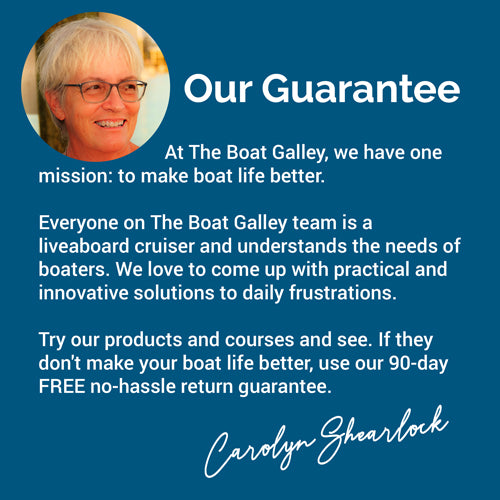
At The Boat Galley, we have one mission: to help you cruise with confidence.
As liveaboard cruisers, we understand the challenges and questions that come with boat life. That’s why we create practical products and courses designed to tackle the same issues we’ve faced ourselves—making your life on the water easier, safer, and more enjoyable.
Try our products and courses for yourself. If they don’t make your boat life better, use our 90-day FREE no-hassle return guarantee.
Raved About By Mary C. . . .

Where You’ve Seen Us








Meet The Boat Galley Team
At The Boat Galley, we’re all cruisers. We know the joys—and the challenges—of boat life. The steep learning curve, costly mistakes, and hours spent searching for answers can be overwhelming. We’ve been there. That’s why we’ve created practical tools, trusted resources, and real-world guides to help you skip the frustrations and focus on enjoying your cruising life.
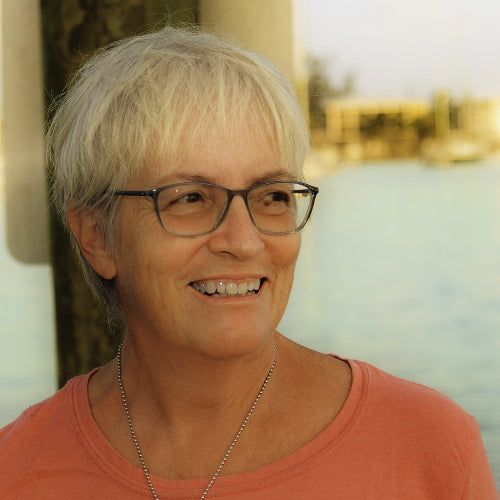
- Founder of The Boat Galley
- 17 years liveaboard cruiser
- US, Mexico, Bahamas, Central America, Virgin Islands, Turkey
- Cruisers University instructor
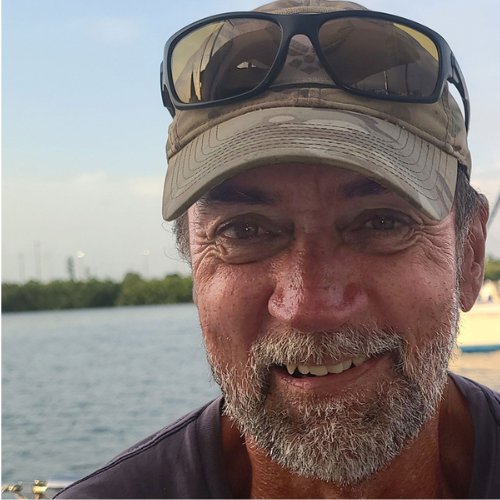
- Cruising Guide creator
- 6 years living aboard and cruising
- US East Coast from Florida Keys to Maine and Bahamas
- Ex-Air Force; singlehander
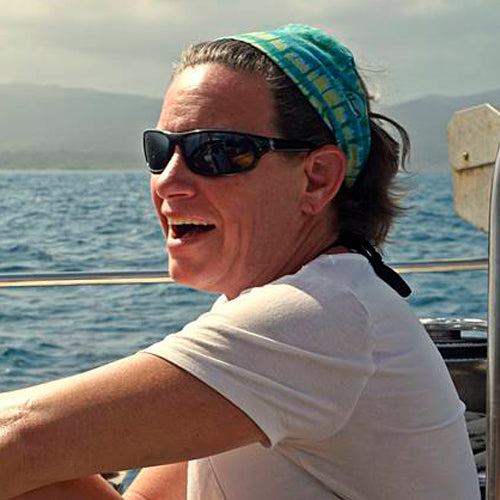
- Provisioning guru; podcaster
- On & off living aboard since 1992
- Atlantic crossing; US, Caribbean, and Bahamas
- Years of cruising with kids
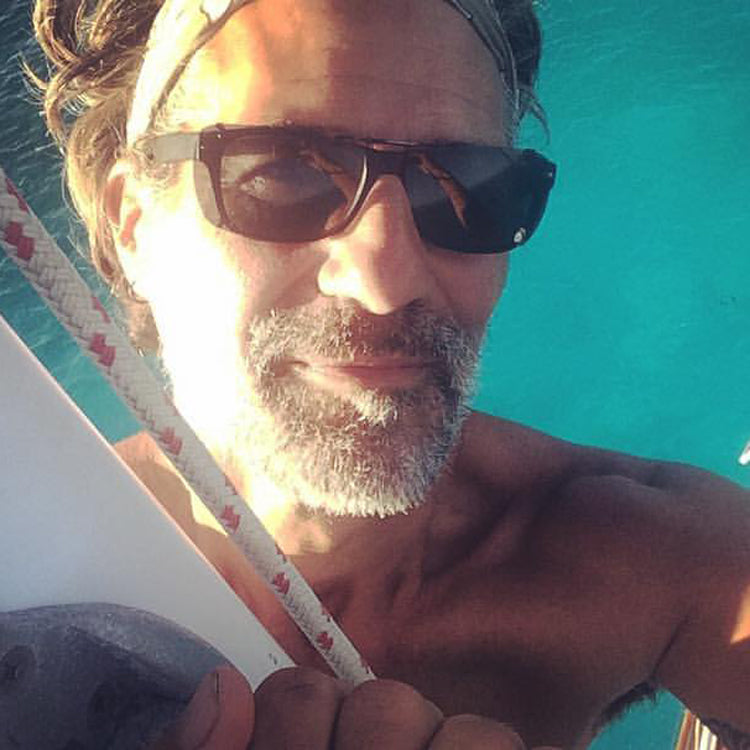
- VHF pro and frugal cruiser
- Cruiser and delivery captain
- US East Coast, Bahamas, Haiti, and Caribbean
- Cruisers University instructor
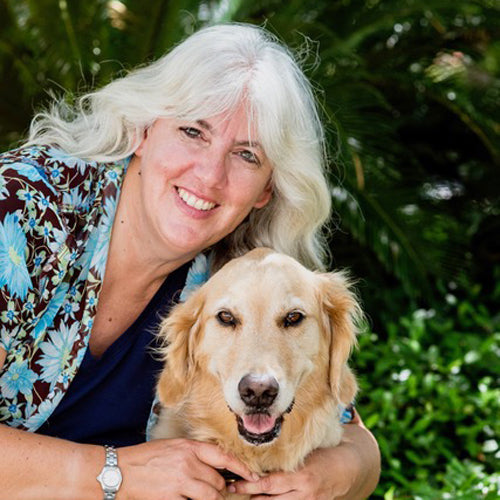
- Creator of Cruising With Your Dog
- 7 years cruising with Honey
- US East Coast and ICW
- Part of the Go Pet Friendly team
- 15+ years writing about dogs
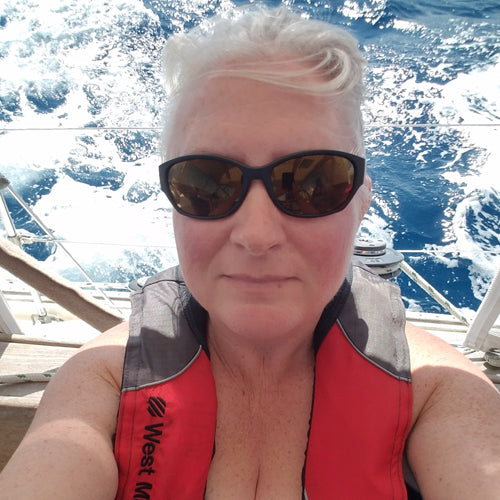
- Graphics designer
- 8 years living aboard
- US East Coast to SE Caribbean
- Design and layout for all printed products
- Social media coordinator
- Pacific Ocean: Seattle, WA to New Zealand, incl. French Polynesia
- Complete newbie to sailing prior to her 11,000 nm voyage
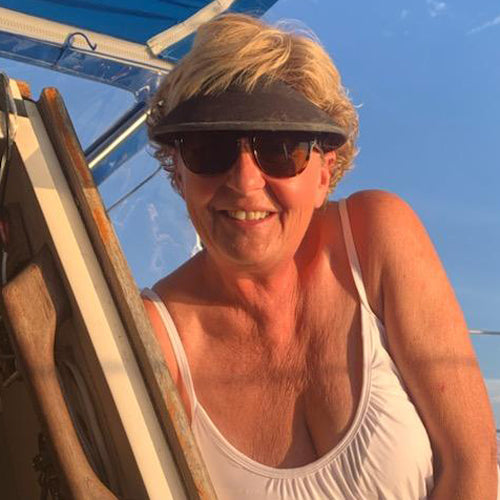
- Boatshow booth "mom"
- Sabbatical and part-year cruiser
- US, Bahamas, Caribbean
- Family cruising New England to southern Caribbean
Curious about our story and what drives us? Learn more about us here.